
How Does a Special Assessment Affect Selling a Bay Ridge Co-op or Condo?
A special assessment is a charge a co-op or condo board bills owners, on top of monthly maintenance or common charges, for a repair or project the budget does not cover. When you sell, the contract of sale decides who pays. Charges already billed are customarily the seller’s, and later installments are negotiated, so know the numbers before you list.
What is a special assessment, and how is it different from maintenance?
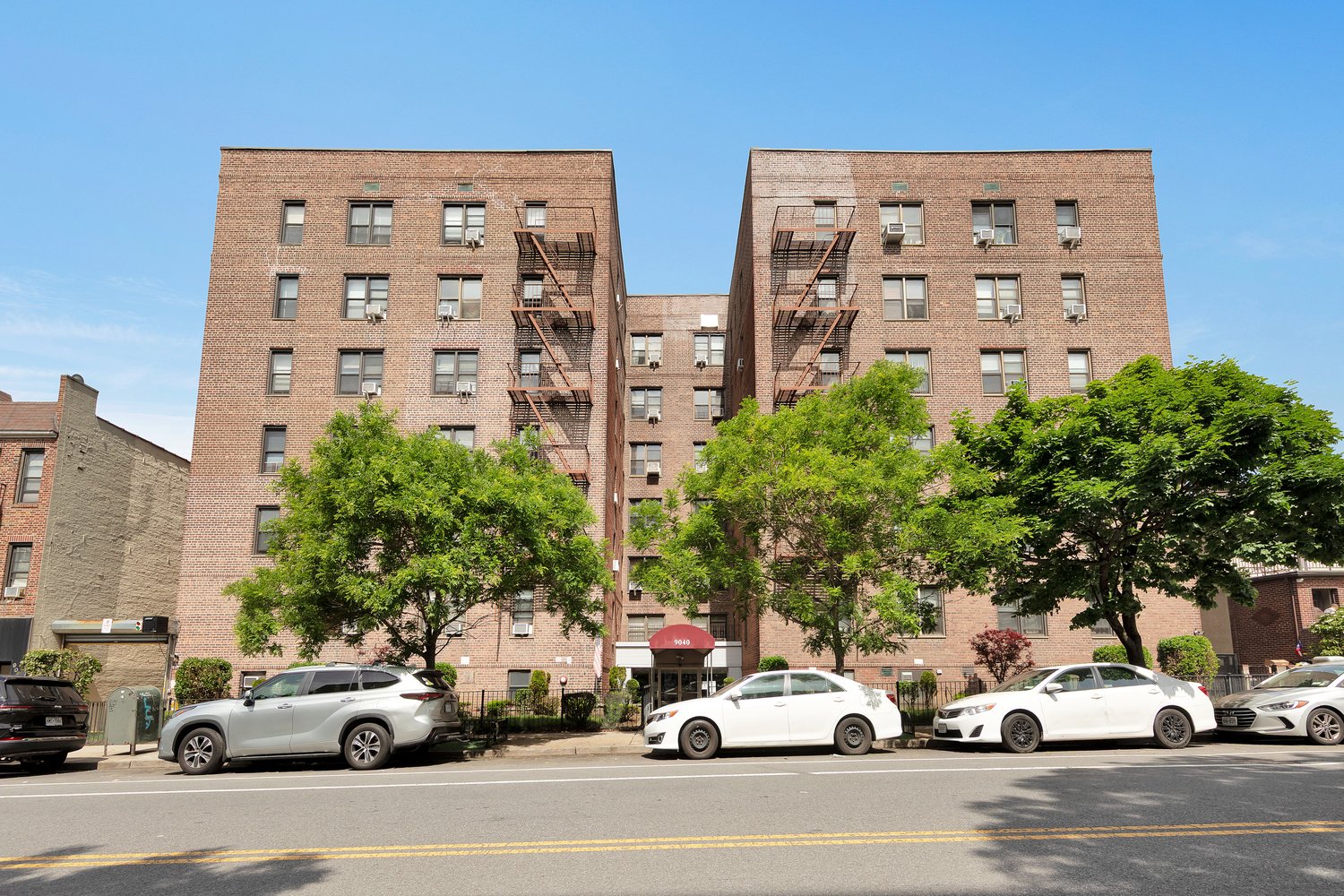
Maintenance in a co-op, and common charges in a condominium, pay the building’s yearly budget: staff, heat, insurance, taxes, routine repairs. An assessment is billed on top of that when the budget and the reserves will not cover a project. The usual causes are a facade repair, a new roof, a boiler, elevators, or work the city requires. Buildings taller than six stories fall under the city’s exterior wall inspection program, known as Local Law 11, and the repairs it orders are a common reason a board bills owners.
A co-op corporation bills its shareholders, normally in proportion to their shares. A condominium board bills each unit owner by that unit’s share of the common elements. Either one can bill all at once or in monthly installments over a set period, and some boards run the installments as a surcharge on the regular bill. If you own in Bay Ridge, you may be paying one right now without calling it that.
Who pays the assessment when I sell?
The contract of sale decides, and your attorney writes it. The customary split is that you pay what has been billed and is due through the closing date, and the buyer takes installments that come due afterward. Where the board has already voted an assessment that is still running, the buyer’s attorney will usually ask you to pay the balance or give a credit against the price, and that is a point we negotiate, not a rule.
At closing the managing agent’s statement shows what is owed, and anything unpaid comes out of your proceeds. In a condominium, unpaid charges are a lien on the unit, so a balance cannot be left for later. Be current with the building before the first showing.
How does an assessment change my price?
A buyer treats an assessment as part of what the apartment costs. If one is still running, the buyer adds the remaining balance to the price in their head and adds the monthly installment to maintenance when they work out what they can carry. A buyer’s lender counts that installment in the monthly obligations too. On a condominium, the lender’s questionnaire to the managing agent asks about special assessments, and a large or recent one can slow a financed buyer’s approval.
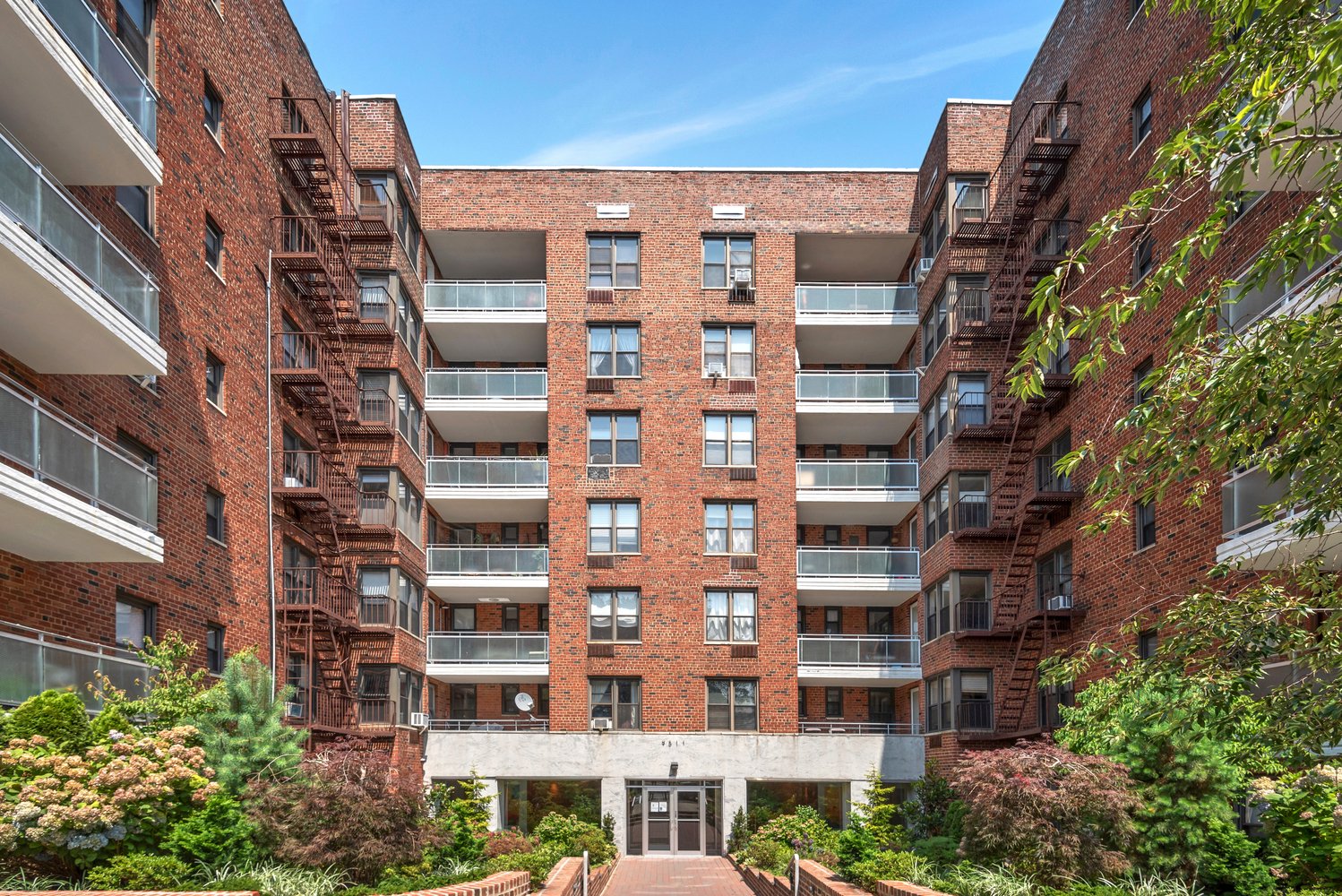
There are two cases that help you. If the assessment is paid off and the work is finished, say so with the receipts: a new facade or roof is a reason the building is in good shape. If the work is still ahead, a buyer who sees a number and a schedule can price it. A buyer who finds it in the board minutes after an offer is the one who asks for money back. I disclose in writing before the first showing, because the buyer’s attorney will find it in the financial statements and the minutes anyway.
What should I get from the building before I list?
All of this comes from the managing agent, and it is faster to ask before a buyer’s attorney does.
Before we list
- The amount of any assessment, your share, and the date it was voted.
- The installment schedule and end date, if it is billed monthly.
- The balance you owe today, in writing.
- What it pays for and how far along the work is: finished, underway, or only planned.
- The last two years of board minutes and the latest financial statements, to see whether another assessment has been discussed.
What else comes out of a co-op sale is in what it costs to sell a co-op, and the flip tax is covered in how the flip tax works. For a condominium, see how selling a condo differs from selling a co-op. How I represent sellers is on its own page. Call or text the office at 718-333-5233 or send a text with your building, and I will tell you what to ask the managing agent for.
Co-ops for sale in Bay Ridge right now
Every co-op listing in the neighborhood, from every brokerage. Ours appear first.
 $475,000
Active
$475,000
Active
170 72ND Street 536 New York City, New York
2 Beds 1 Baths 825 SqFt
 $475,000
Active
$475,000
Active
170 72nd Street 536 Brooklyn, New York
2 Beds 1 Baths 825 SqFt
 $338,999
Active
$338,999
Active
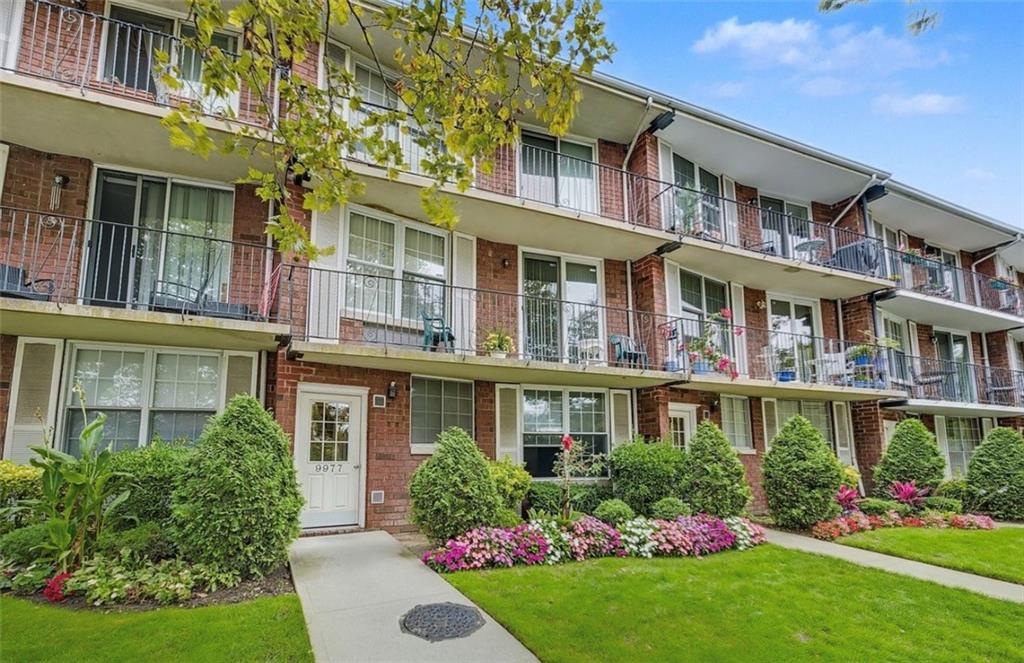
9977 Shore Road 11D Brooklyn, New York
1 Beds 1 Baths 550 SqFt
 $330,000
Active
$330,000
Active
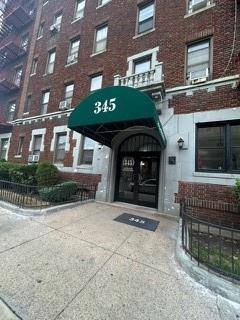
345 Bay Ridge Parkway 1J Brooklyn, New York
1 Beds 1 Baths 700 SqFt
View all Bay Ridge co-ops for sale → or see the Bay Ridge condos for sale.
Own a co-op or condo in Bay Ridge?
Find out what it is worth before you decide anything.