
What Does It Cost to Sell a Co-op in Bay Ridge?
Almost every cost of selling a Bay Ridge co-op can be known before you list. Transfer taxes are set by statute. Your building’s flip tax, if it charges one, and the managing agent’s processing and move out fees are set by the building and written down. What is left is your attorney, the brokerage fee, and paying off whatever remains on your mortgage. Together they are why the sale price and the check you take home are two different numbers, and why we put a written net proceeds estimate in front of every seller before listing.
What does a co-op seller pay at closing?
The city and the state take transfer taxes, fixed by statute and owed on every sale. Your attorney is paid for negotiating the contract and handling the closing. The flip tax, in buildings that charge one, goes into your co-op’s reserves rather than to anyone in the transaction. The managing agent charges processing and move out fees that the building sets. If you have a mortgage, the payoff and the bank’s fees retire your own loan, so that money was never yours to keep. None of these are hidden, but sellers who have not sold in a while are often surprised by how they add up.
What does the brokerage fee pay for?
Photography, floor plans, and the listing copy. Placement on the MLS and the syndication sites, plus the paid advertising that puts the apartment in front of buyers who are not already searching for it. Open houses and private showings, including the ones that go nowhere. Negotiating the price and the contract terms. Assembling the board package and getting your buyer through the interview, which is the part of a co-op sale that most often decides whether the deal closes at all. Where the buyer has an agent, the compensation agreed for that agent ordinarily comes out of this fee as well. Real estate commissions are not set by law and are fully negotiable, and the fee is owed only if the sale closes, so if the apartment does not sell, the money already spent on photography, advertising, and showings stays with us.
How much are transfer taxes on a Bay Ridge co-op sale?
Two taxes apply to a standard residential sale. New York State charges 0.4 percent of the sale price. New York City charges 1 percent on sales of $500,000 or less, and 1.425 percent on sales above $500,000. On a $500,000 co-op that is $7,000 combined; cross $500,000 and the city rate steps up on the whole price, not just the amount above the line, which occasionally matters when a deal is negotiating near that number. Both are ordinarily paid by the seller.
What will the flip tax cost me?
It depends entirely on your building. Bay Ridge co-ops structure flip taxes as a percentage of price, a flat amount, or a per share figure, and some buildings charge none at all. Because the formula is set by the building, the only reliable answer comes from your building’s documents or managing agent, and we confirm it as part of pricing. Our separate guide to the flip tax covers how the fee works and why buildings charge it.
How do I estimate my net proceeds?
Start from a realistic value, not a hopeful one, then subtract each cost above plus your remaining mortgage balance. We do this in writing for every seller before listing, using your building’s actual flip tax and fees, so the number at the closing table matches the number you planned around. You can start with an instant estimate on our free home value page, then see how we represent sellers, from pricing through the buyer’s board approval.
Want your net number before you decide anything? Call or text the office at 718-333-5233.
Newest Bay Ridge co-ops for sale
 $475,000
Active
$475,000
Active
170 72ND Street 536 New York City, New York
2 Beds 1 Baths 825 SqFt
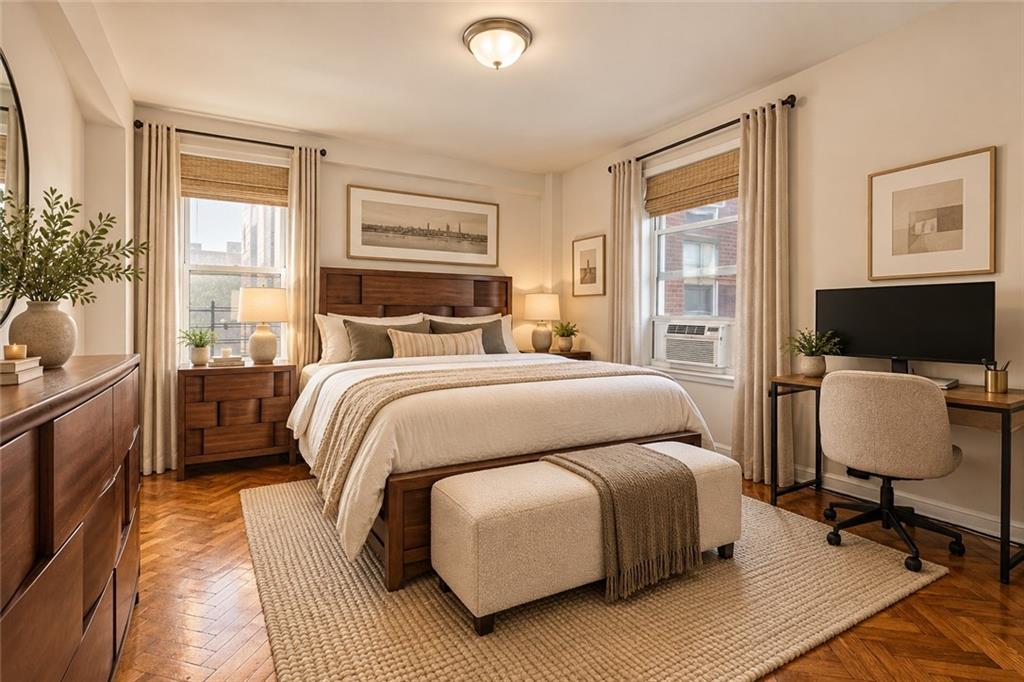 $475,000
Active
$475,000
Active
170 72nd Street 536 Brooklyn, New York
2 Beds 1 Baths 825 SqFt
 $338,999
Active
$338,999
Active
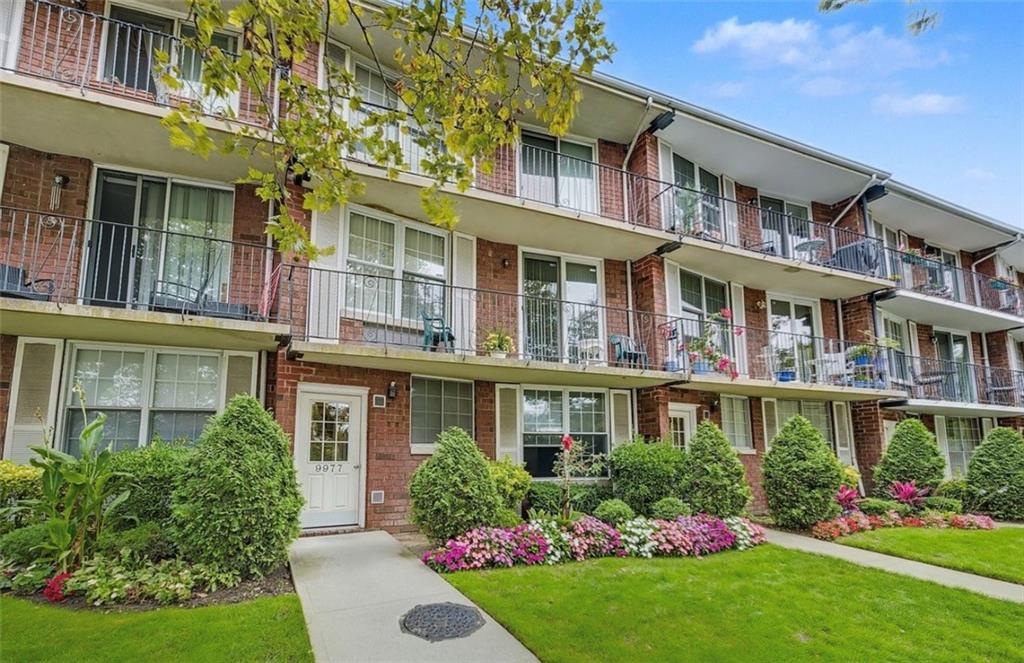
9977 Shore Road 11D Brooklyn, New York
1 Beds 1 Baths 550 SqFt
 $330,000
Active
$330,000
Active
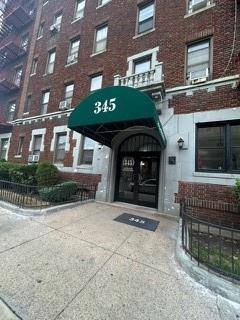
345 Bay Ridge Parkway 1J Brooklyn, New York
1 Beds 1 Baths 700 SqFt
View all Bay Ridge co-ops for sale →
Own a co-op in Bay Ridge?
Find out what it is worth before you decide anything.