
How Is Selling a Condo Different From Selling a Co-op in Bay Ridge?
Selling a condo in Bay Ridge is a shorter road than selling a co-op. There is no board interview, most condominiums here charge no flip tax, and the board holds a right of first refusal it almost never uses. Where a condo sale is harder is the pricing, because the neighborhood closes far fewer condos than co-ops, and the tax bill, which every buyer reads. Here is how the two sales differ from the seller’s chair.
What does the condo board do when I sell?
Far less than a co-op board. When you sell a co-op, your buyer has to be approved: a full financial package, an interview, and a vote that can go either way. When you sell a condo, the board holds a right of first refusal. The condominium may buy your apartment itself, at the price and terms in your contract, instead of letting your buyer have it. In practice it does not, because it would have to come up with the full price. Your buyer submits an application through the managing agent, the board issues a waiver or lets its window run out, and the waiver letter goes to the closing. The bylaws set that window in weeks, not months. In most buildings there is no interview and nobody votes on your buyer.
The board can still hold up an incomplete application, and the condominium can refuse to close while you owe common charges, because unpaid charges are a lien on the unit. Be current before you list.
Do I pay a flip tax when I sell a condo?
In most Bay Ridge condominiums, no. The flip tax is a co-op device, a fee the corporation charges on every sale to fund its reserves. A condominium can write a transfer fee into its bylaws, and a few do, so I read the bylaws before we talk about your net. More common is a charge on the buyer’s side, a contribution to the reserve fund at closing, usually a month or two of common charges. What you do pay is what any seller in the city pays: the state and city transfer taxes, your attorney, the managing agent’s fees, the payoff on your own mortgage, and the brokerage fee. Real estate commissions are not set by law and are fully negotiable, and the fee is owed only if the sale closes. The full list and the rates are on what it costs to sell a co-op; every line but the flip tax applies here.
Selling a condo
Who approves the buyer
Nobody votes. The board has a right of first refusal and waives it by letter. No interview in most buildings.
Fees on the way out
Transfer taxes, attorney, managing agent fees, your payoff, the brokerage fee. A transfer fee only if the bylaws say so.
What the buyer can finance
Set by the buyer’s lender, not the building. Smaller down payments are possible, and the lender underwrites the building too.
Contract to closing
With financing, most close within about two months. All cash can close in about a month.
Selling a co-op
Who approves the buyer
The board, after a full package and an interview. It can say no.
Fees on the way out
The same list, plus the flip tax in most buildings.
What the buyer can finance
Capped by the building. Many Bay Ridge co-ops allow 75 or 80 percent of the price; some allow less.
Contract to closing
Commonly 60 to 90 days from the accepted offer, with the package and the interview in the middle.
Why is a condo harder to price?
Fewer sales to price against. Co-ops trade all year here, so a co-op seller usually has a closed sale on their own line within the last year or two. Condos are a handful of buildings, mostly newer: 6911 Shore Road from 2002, The Jennifer Condominiums from 2005, 101 Battery Avenue from 2018, and 9511 Shore Road, unusually large for a Bay Ridge condominium. The neighborhood closes several co-ops for every condo; the count is in The Soldano Report each month.
So I price a condo from the inside out. The last sales in your own building come first, adjusted for floor, exposure, outdoor space and condition. Then the other condominiums, on price per square foot, because a condo’s square footage is on record in the offering plan in a way a co-op’s usually is not. Then the co-ops, because a buyer with a fixed monthly budget adds your common charges to your taxes and compares the total against a co-op’s maintenance. The method is on the pricing page; a condo leans harder on the second and third steps.
Your tax bill is part of the price. A co-op’s taxes sit inside the maintenance; yours arrive as a separate bill, and buyers add it to the common charges before they compare. If your building has a tax abatement, know where it stands in the phase out, because the price has to make sense against the taxes your buyer will pay, not the ones you have been paying.
Why is the buyer pool different?
A condo can be bought in ways a co-op usually cannot. A buyer can finance more of the price, because the building does not cap the loan. A buyer can purchase through a trust or an LLC. A buyer can plan to rent the apartment out where the building’s rules allow it, which they do at 9511 Shore Road, 6911 Shore Road and The Jennifer Condominiums, and do not at 101 Battery Avenue. That is a wider pool than a co-op draws, and one reason condos here sell at a premium to co-ops of the same size.
The buyer’s lender also does part of the job a co-op board does. It underwrites the building: reserves, insurance, any litigation, how many units are owner occupied, whether one owner holds too many of them. A small condominium can fail a lender’s test on a single line. Before we list, I get the managing agent’s answers to the standard lender questionnaire, so we know whether a financed buyer can close in your building before we accept one.
How long does a condo sale take?
The lender sets the pace, not the board.
1
Contract
Your attorney and the buyer’s negotiate the contract. The buyer signs first and the deposit goes into escrow.
2
Waiver and commitment
The application goes to the managing agent while the lender orders the appraisal and the building questionnaire. The waiver usually arrives first.
3
Closing
Scheduled once the waiver and the commitment are in hand. With financing, about two months from contract. All cash, about a month.
What do I need to have ready?
Almost all of it before the listing goes live, because the first serious buyer’s attorney will ask for it in the first week.
Before we list
- The offering plan and every amendment.
- The bylaws and house rules, including the subletting rule and any transfer fee or reserve contribution on a sale.
- The condominium’s last two financial statements and this year’s budget.
- Your common charge and real estate tax bills, and the abatement schedule if the building has one.
- The managing agent’s answers to the standard lender questionnaire: reserves, insurance, owner occupancy, litigation.
- Your deed and the title policy from when you bought.
- Board approval letters for any renovation you did.
- The certificate of occupancy status, if the building is newer. A lapsed temporary certificate is a lender problem.
The co-op side, from pricing to the closing table, is in how a Bay Ridge co-op sale runs. How I represent sellers is on its own page, and how a Bay Ridge home is priced shows the comparable sales that count. Call or text the office at 718-333-5233 and tell me the building. I will tell you what the last sale there was.
Condos for sale in Bay Ridge right now
Every condominium listing in the neighborhood, from every brokerage. Ours appear first.
 $1,395,000
Active
$1,395,000
Active
6917 SHORE Road 4A New York City, New York
2 Beds 2 Baths 1,271 SqFt
 $575,000
Active
$575,000
Active
423 95TH Street 2F New York City, New York
1 Beds 1 Baths 670 SqFt
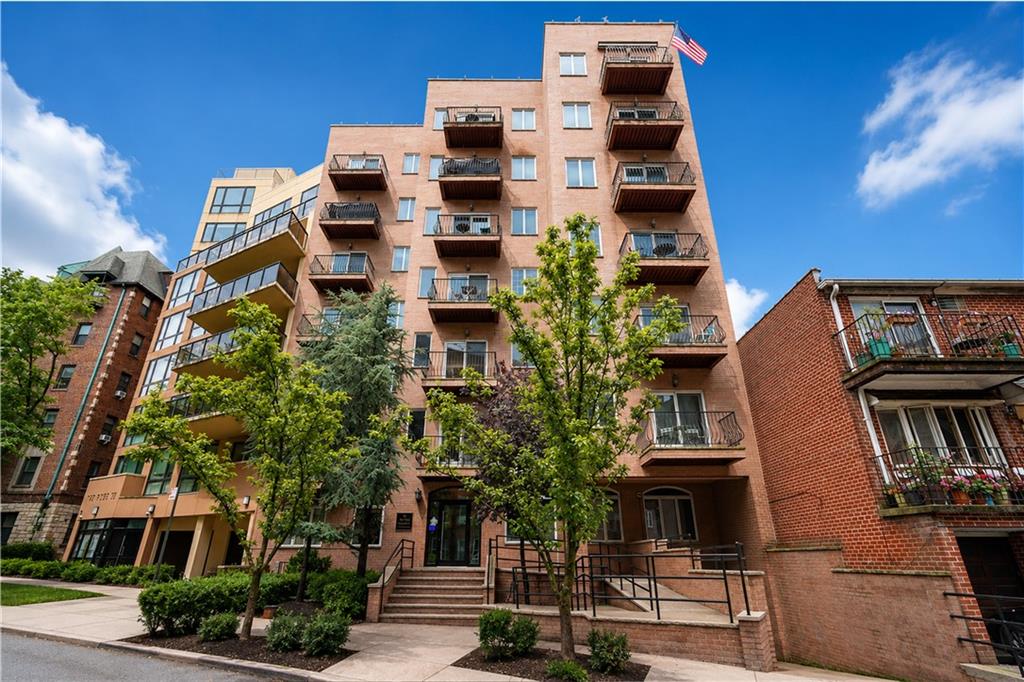 $999,000
Active
$999,000
Active
52 92nd Street 2C Brooklyn, New York
2 Beds 2 Baths 1,200 SqFt
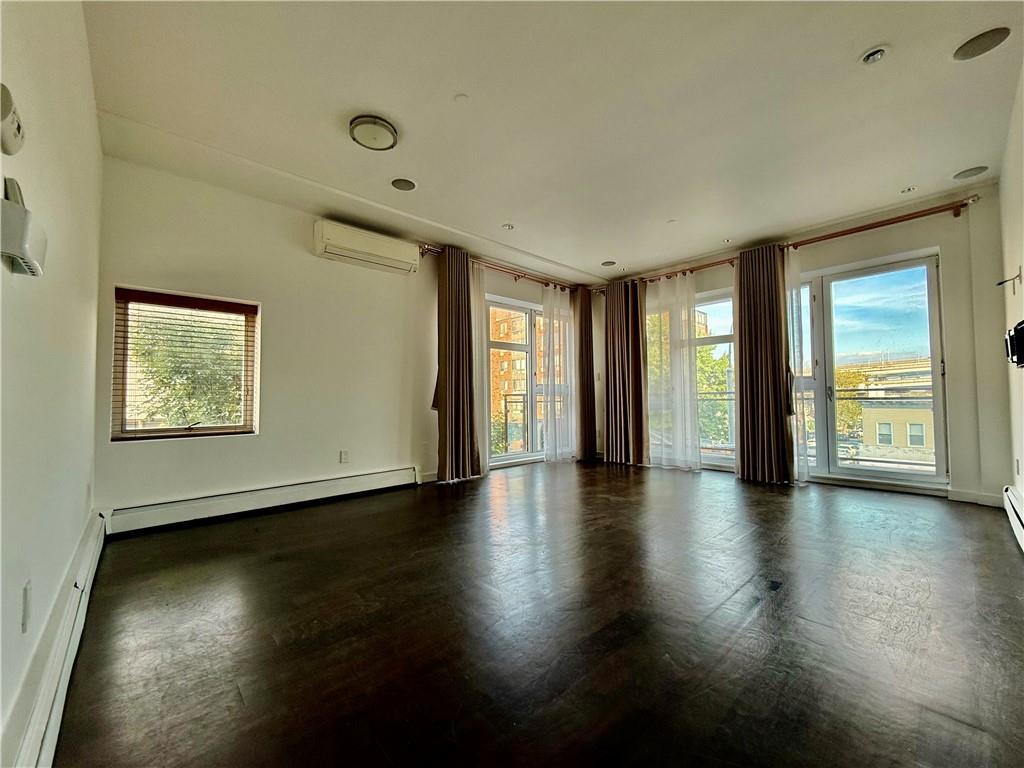 $879,000
Active
$879,000
Active
10002 4th Avenue 3B Brooklyn, New York
2 Beds 1 Baths 825 SqFt
View all Bay Ridge condos for sale → or read the buyer’s side of the question in condo vs. co-op in Bay Ridge.
Own a condo in Bay Ridge?
Find out what it is worth before you decide anything.