
How Do You Sell a Co-op in Bay Ridge?
Selling a co-op in Bay Ridge is two sales. First you sell the apartment to a buyer. Then you and that buyer sell the buyer to the board. The price comes from the closed sales on your own line, the offer worth taking is the one whose financials clear the building’s written requirements, and the board package is where the deal is won or lost. Here is how I run one, in the order it happens.
What is my co-op worth?
Not what the apartment upstairs is listed for, and not the neighborhood average. A co-op is priced against what has closed in your own building, on your own line where possible, adjusted for floor, condition, exposure and outdoor space, and then against the buildings most like yours. Maintenance is part of the number: two apartments the same size with a wide gap in maintenance do not sell for the same price. The method is on its own page, how a Bay Ridge home is priced, and for the buildings we cover the sales history is already public on our building guides. I write the estimate down before we list, so you can see how I got there.
What do I need to know about my building before I list?
The building sets the terms of your sale, and it writes them down. Before we set a price I want five things from your managing agent or the building’s documents: the most a buyer is allowed to finance, usually stated as a percentage of the price; the debt to income ceiling the building applies; the post closing liquidity it requires, meaning what a buyer must still have after the down payment and closing costs; the sublet policy; and the flip tax formula, plus any assessment now running. These are facts about the building and they apply to every applicant. They decide which offers can close, and your buyer’s attorney will ask for them anyway.
Find your stock certificate and proprietary lease now, too. You hand them over at closing. If they are lost, replacing them means an affidavit and usually an indemnity bond, which takes weeks you do not want to spend at the end.
Which offer do I take?
The one that closes, which is not always the highest. Every offer I bring you comes with the buyer’s financial statement, and before you accept one I check it against the building’s requirements from the section above. A buyer financing 90 percent of the price in a building that allows 80 cannot close, whatever they offered. A buyer whose monthly debt runs past the building’s ceiling cannot close. An all cash buyer still goes through the board. So we look at the price, the financing, the buyer’s reserves against the building’s thresholds, and the timeline, and then you choose. The standard contract deposit in New York is 10 percent, held in escrow by your attorney until closing.
What happens between the contract and the board?
Your attorney and the buyer’s negotiate the contract. The buyer signs first and sends the deposit; you countersign and the clock starts. If the buyer is financing, the lender orders an appraisal and a questionnaire about the building, and most Bay Ridge buildings will not accept a package until the commitment letter is in hand. While that runs, the package gets built: the building’s application, the buyer’s tax returns and bank statements, reference letters, the contract, the commitment letter, and the forms the building requires. The buyer’s side assembles their documents. We check every page against the building’s list before it goes in, because a package sent back for a missing statement costs a month when the board meets monthly. You sign the seller’s forms, the building’s transfer documents and usually a statement about alterations made to the apartment. If you renovated without board approval, I need to know before the package goes in.
1
Contract
Deposit in escrow. The buyer’s lender starts on the appraisal and the building questionnaire.
2
Package and interview
Commitment letter in about 30 to 45 days, package submitted, board review, then the interview. Boards commonly meet once a month.
3
Closing
Scheduled after the approval letter, usually two to four weeks out. From accepted offer to closing, plan on 60 to 90 days.
What happens at the interview, and what if the board says no?
Your buyer sits with the board. You do not. Most interviews here are short, and the approval letter usually follows within days. A board can decline without giving a reason, and under a standard New York co-op contract a buyer who is turned down gets the deposit back, and the apartment goes back on the market weeks or months later than you planned. That is the whole reason the vetting at the offer stage matters, and why the package goes in complete. Our guide to the board interview covers what your buyer should expect.
What happens at the closing?
A co-op closing is a transfer of shares, not a deed, and it usually happens at the managing agent’s or transfer agent’s office. Your stock certificate and proprietary lease are cancelled and reissued to the buyer. If you have a loan on the apartment, it is paid off from the proceeds and the lender’s lien on the shares is released. The flip tax goes to the building, the transfer taxes to the city and state, then the managing agent’s fees, your attorney, and the brokerage fee. What is left is yours. Every one of those numbers is knowable before you list, and I put them in writing as a net proceeds estimate. What it costs to sell a co-op has the full list, and the flip tax guide explains the fee most buildings here charge on a sale.
What if I am selling for an estate?
It is common here, and it runs on the same track with one addition: the building will not transfer the shares until the court has appointed an executor or administrator and the paperwork is in hand. So I ask for it on the first call and plan the timeline around it. The apartment can be prepared, priced and shown while that runs. When the executor lives out of state, we coordinate access, cleanout and showings and work alongside the estate’s attorney.
Find these before we list
- Your stock certificate and proprietary lease.
- The building’s financing limit, debt to income ceiling and post closing liquidity requirement, as written.
- The flip tax formula and any assessment now running.
- The sublet policy, as written.
- Board approval letters for any work done in the apartment.
- Your current maintenance statement, showing you are paid up.
- Your loan payoff contact, if there is a mortgage on the shares.
- For an estate, the court papers appointing the executor or administrator.
The parts of a co-op sale that go wrong are almost always the ones that were knowable before the listing went live: a buyer who could not meet the building’s numbers, a package sent back, a stock certificate nobody could find. If you own a condo instead, how a condo sale differs from a co-op sale is on its own page. How I represent sellers is on its own page, with the Bay Ridge specifics on sell your home in Bay Ridge. Call or text the office at 718-333-5233 with your building’s name. I will tell you what its last sale was and what its requirements are.
Co-ops for sale in Bay Ridge right now
Every co-op listing in the neighborhood, from every brokerage. Ours appear first.
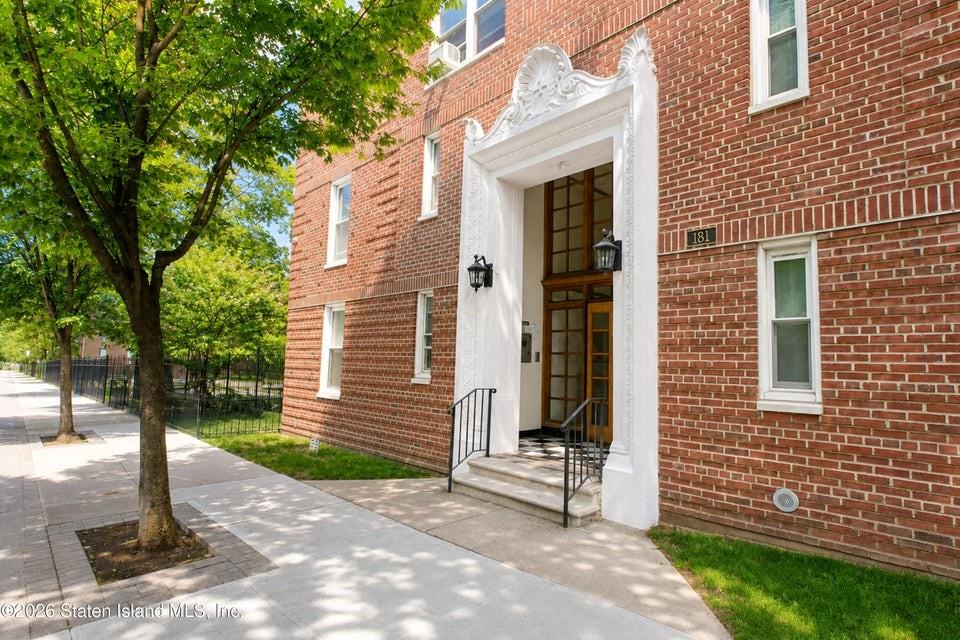 $315,000
Active
$315,000
Active
181 73rd Street 424 Brooklyn, New York
1 Beds 1 Baths 685 SqFt
 $795,000
Active
$795,000
Active
9437 Shore Road F7 New York City, New York
2 Beds 2 Baths 1,400 SqFt
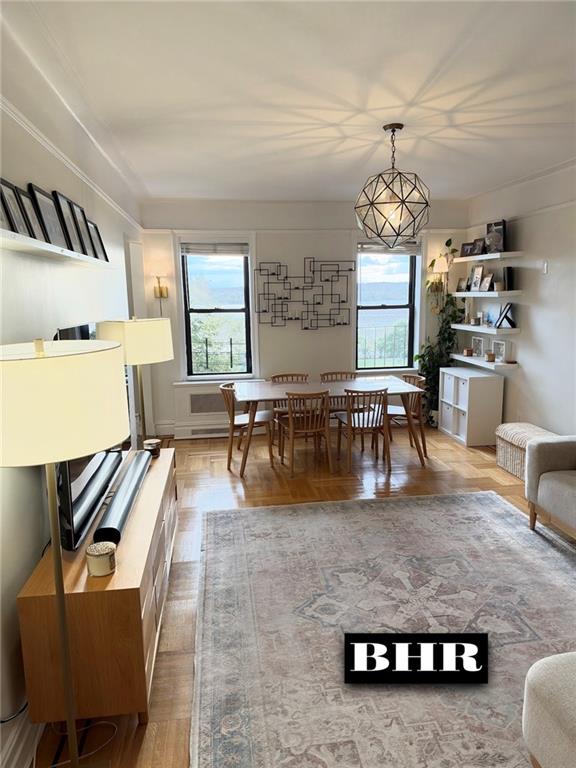 $635,000
Active
$635,000
Active
9701 Shore Road 2O Brooklyn, New York
2 Beds 1 Baths 1,025 SqFt
 $1,395,000
Active
$1,395,000
Active
6917 SHORE Road 4A New York City, New York
2 Beds 2 Baths 1,271 SqFt
View all Bay Ridge co-ops for sale → or look up your building in the building guides.
Own a co-op in Bay Ridge?
Find out what it is worth before you decide anything.