
Condo vs. Co-op in Bay Ridge: Which Should You Buy?
In Bay Ridge, co-ops are most of the apartment market and cost less to buy; condos are scarce, mostly newer, priced higher, and easier to finance, rent out, and resell. A co-op buyer owns shares and answers to a board. A condo buyer owns real property and answers to a lender. Which one fits depends on how long you plan to stay and whether you ever want to rent the home out.
What is the difference between a condo and a co-op?
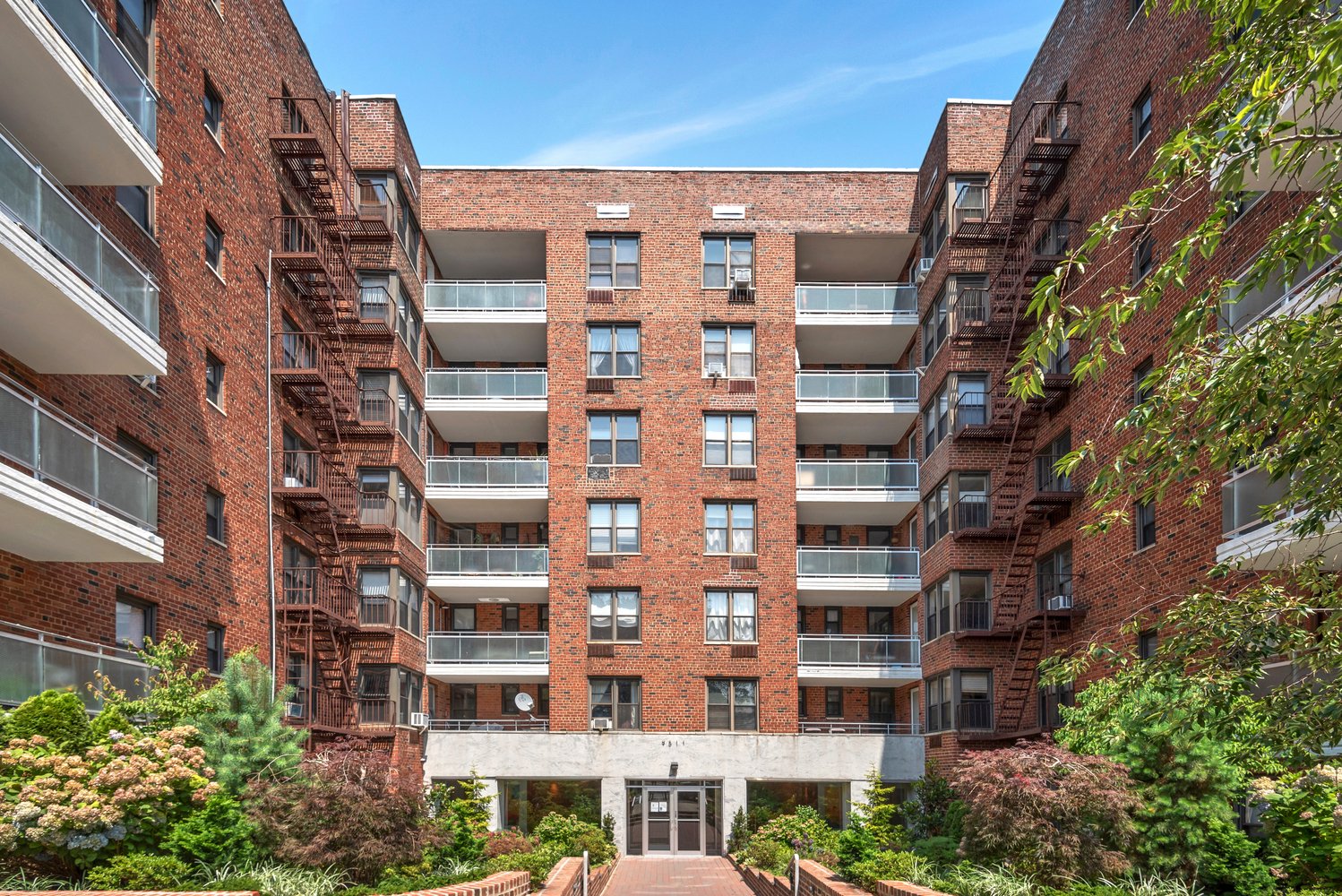
When you buy a co-op, you buy shares in the corporation that owns the building, plus a proprietary lease on your apartment. The corporation pays the building’s real estate taxes and any underlying mortgage, and you pay your share through monthly maintenance. A board of your neighbors approves every buyer and sets the rules on financing, subletting, and renovations. When you buy a condo, you take a deed to the unit itself and a share of the common areas. You pay common charges to the condominium and a separate real estate tax bill to the city, and the board’s power over a sale is usually limited to a right of first refusal, which in practice is almost never used.
Why are there so few condos in Bay Ridge?
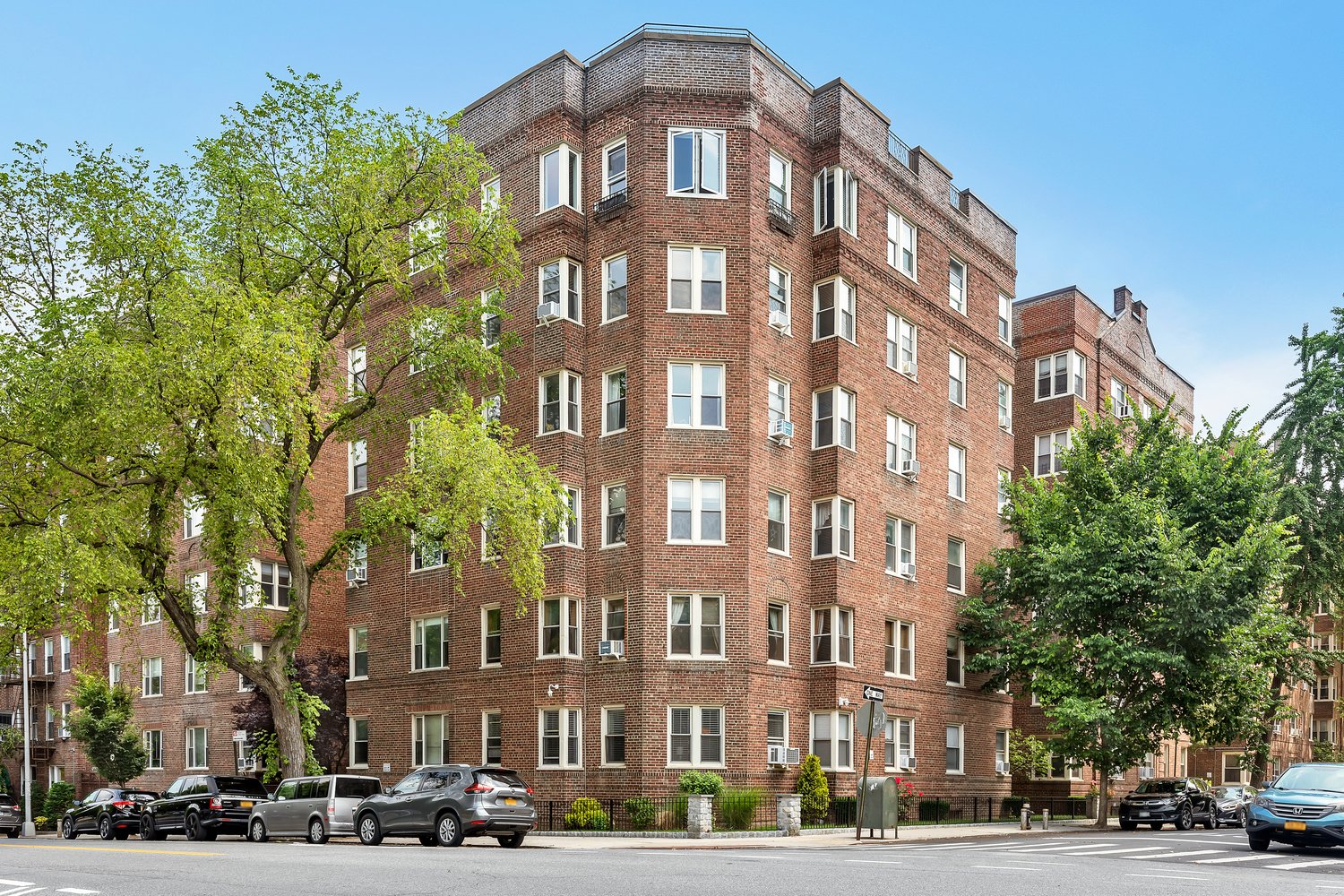
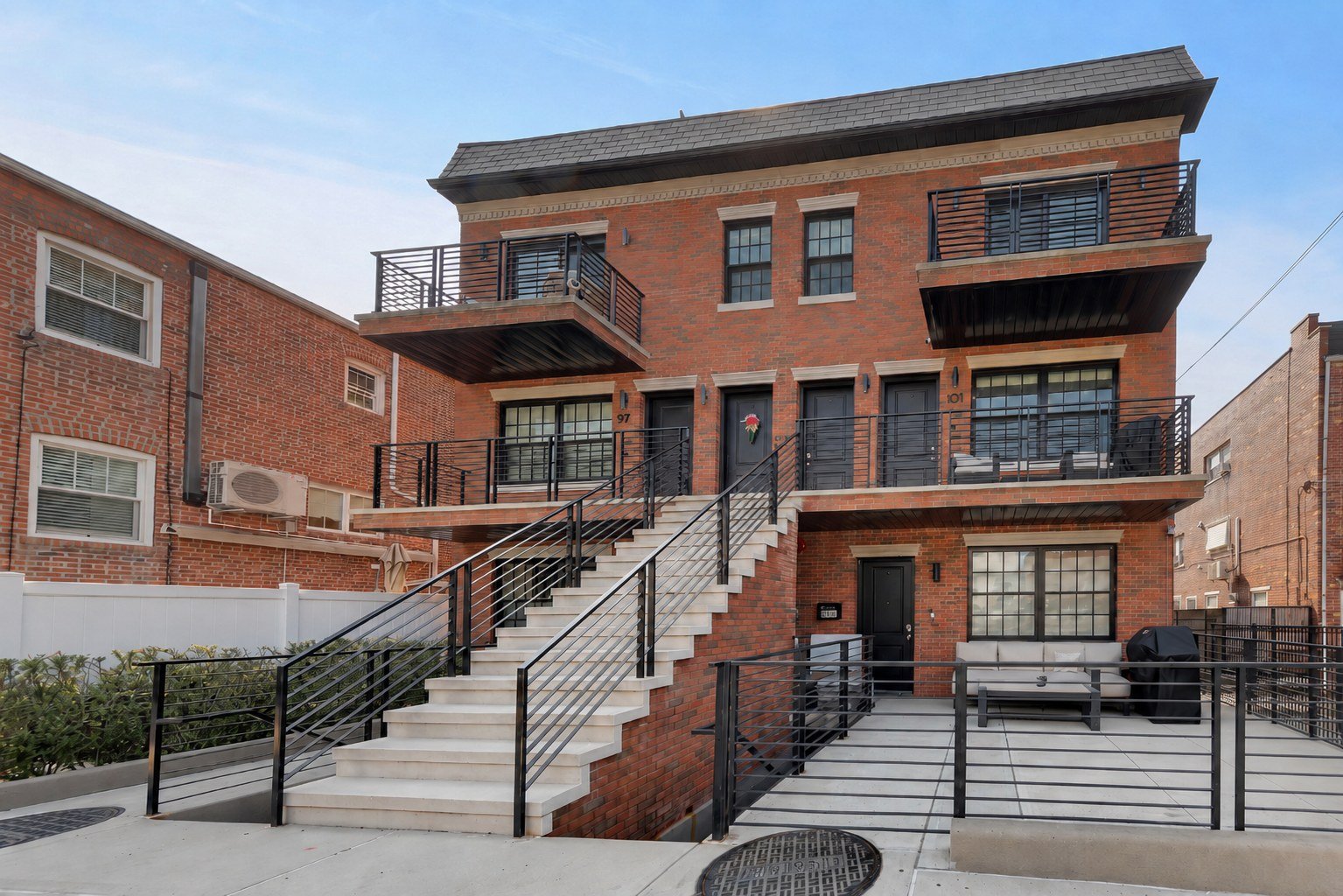
Most of the neighborhood’s apartment buildings went up before 1960 and are co-ops today, so condos are limited to a handful of newer buildings and a few conversions. In August 2026, 91 of the 176 homes listed for sale in Bay Ridge were co-ops and 9 were condos; the rest were houses and multi family homes. From January through August 2026, 100 co-ops closed against 20 condos, at a median of $357,000 for co-ops and $872,500 for condos. The gap is partly the product itself: the condo stock is newer, from 6911 Shore Road, built in 2002, to The Jennifer Condominiums on 90th Street, built in 2005, and 101 Battery Avenue, built in 2018. Current figures for both are in The Soldano Report each month.
How do the monthly costs compare?
A co-op’s maintenance is one number that already includes the building’s taxes, so it looks high next to a condo’s common charges until you add the condo owner’s tax bill. At Residence 1D at The Jennifer Condominiums, which Soldano Realty sold in 2026, common charges were $377 a month and real estate taxes were $8,976 a year, about $748 a month, so the fixed monthly cost before any mortgage was roughly $1,125. A co-op with the same total would present it as a single maintenance figure. Compare the two on the all in number, and read what a fee actually buys: our guide to co-op maintenance fees covers the ranges by apartment size and what is inside them.
What about approval, financing, and closing costs?
A co-op purchase runs through the board. Your finances are reviewed in a board package, you sit for an interview, and the board can say no. Each building also sets its own limit on how much of the price you may finance, so the down payment a building will accept is a building fact to confirm before you offer. Our guide to the co-op board interview covers what to expect. A condo purchase runs through your lender, though lenders look at the building too, especially a small one. At closing, condo buyers who finance pay the mortgage recording tax, which runs close to 2 percent of the loan, and buy title insurance; co-op buyers pay neither, because a co-op loan is secured by shares, not real property. On the way out, many co-ops charge a flip tax and condos rarely charge a transfer fee, which is one reason two homes at the same price can net their sellers different amounts.
Which should you buy?
If you plan to live in the home for years and want the lowest entry price in the neighborhood, a co-op is usually the answer, and the board process is a manageable cost of that price. If you want the option to rent the home out, to buy through an entity or for a family member, or to sell on short notice without a board, a condo is worth its premium. Subletting is the rule that decides it most often. Most of the co-ops in our building guides permit subletting only after two years of ownership, several do not permit it at all, and the rest attach conditions. Condos usually allow it, and 9511 Shore Road, 6911 Shore Road, and The Jennifer Condominiums all do, but it is a building rule rather than a law, and 101 Battery Avenue does not. Our building guides list the policy for each address, and our agents walk buyers through the choice as part of buyer representation.
Want to talk through a specific building or a specific budget? Call or text the office at 718-333-5233.

The Soldano Realty Buyer’s Guide
Download our free Buyer’s Guide. It covers co-op versus condo, how approval and financing differ for each, the numbers co-op boards use to qualify a buyer, and the whole buying process from pre approval to closing day.
Newest Bay Ridge condos for sale
 $1,395,000
Active
$1,395,000
Active
6917 SHORE Road 4A New York City, New York
2 Beds 2 Baths 1,271 SqFt
 $575,000
Active
$575,000
Active
423 95TH Street 2F New York City, New York
1 Beds 1 Baths 670 SqFt
 $999,000
Active
$999,000
Active
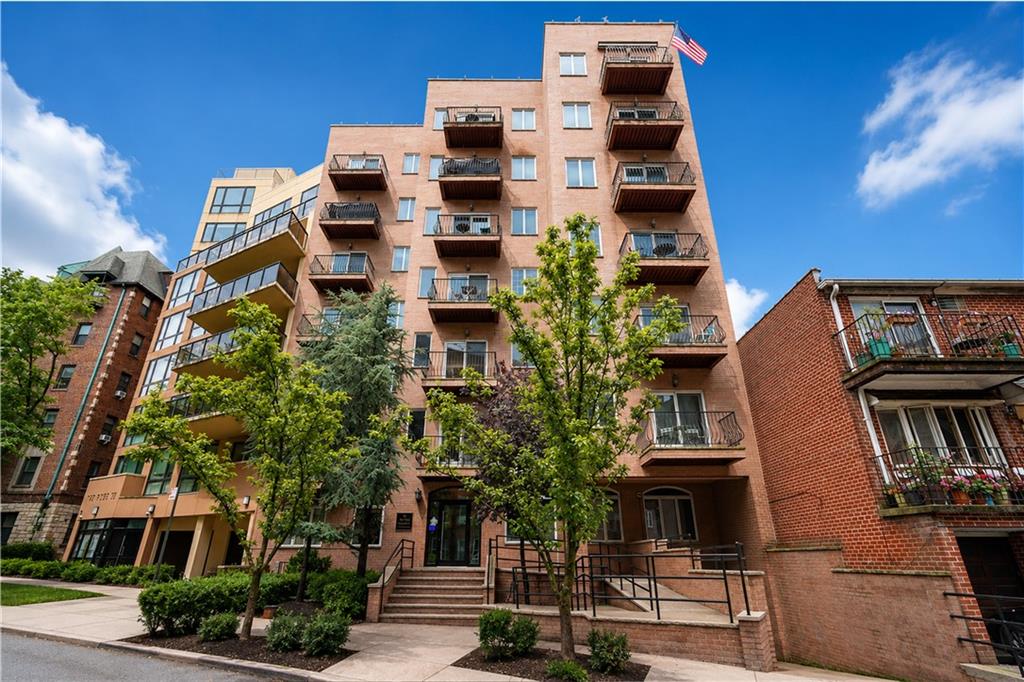
52 92nd Street 2C Brooklyn, New York
2 Beds 2 Baths 1,200 SqFt
 $879,000
Active
$879,000
Active
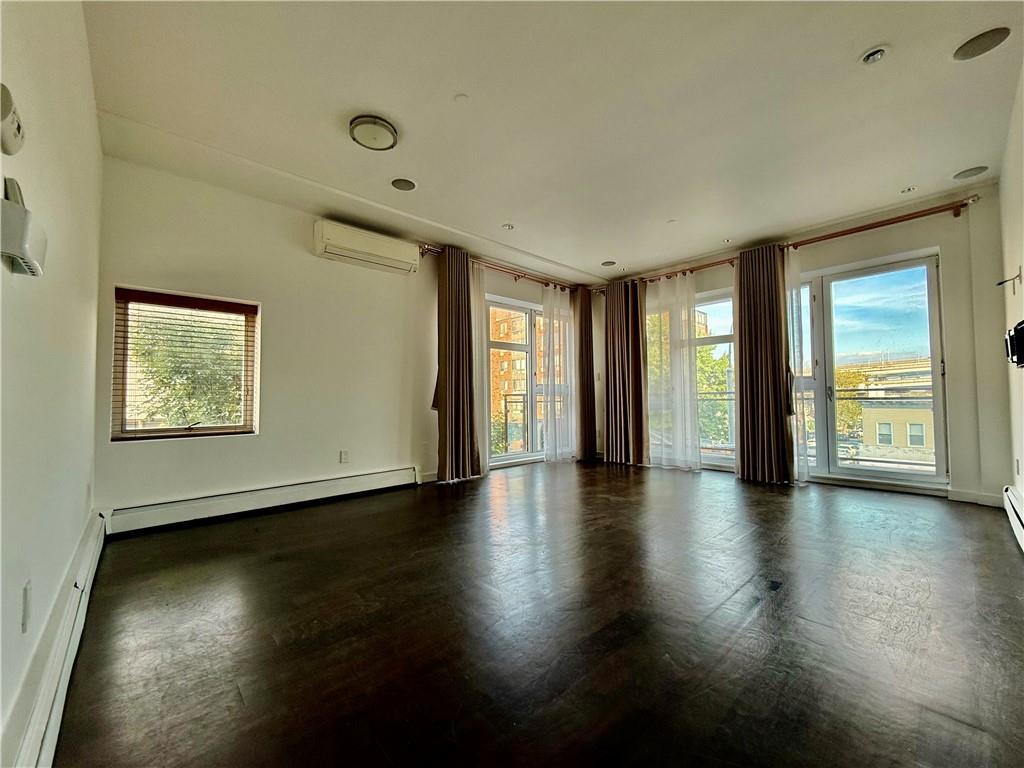
10002 4th Avenue 3B Brooklyn, New York
2 Beds 1 Baths 825 SqFt
View all Bay Ridge condos for sale → or browse Bay Ridge co-ops for sale.
For the co-op side of that comparison, what a Bay Ridge co-op sells for and every co-op on the market are on one page.
Own a condo or co-op in Bay Ridge?
Find out what it is worth before you decide anything.