
How Do You Sell a House in Bay Ridge?
A house sale in Bay Ridge has no board. It has title, permits, a certificate of occupancy and an inspection that comes before the contract, and on a two to four family it has tenants and leases. The price is set on the block and the lot, not on the neighborhood, and what the house is has to be known before it is listed, because the buyer's lawyer will know it before they sign. Here is how I run one, in the order it happens.
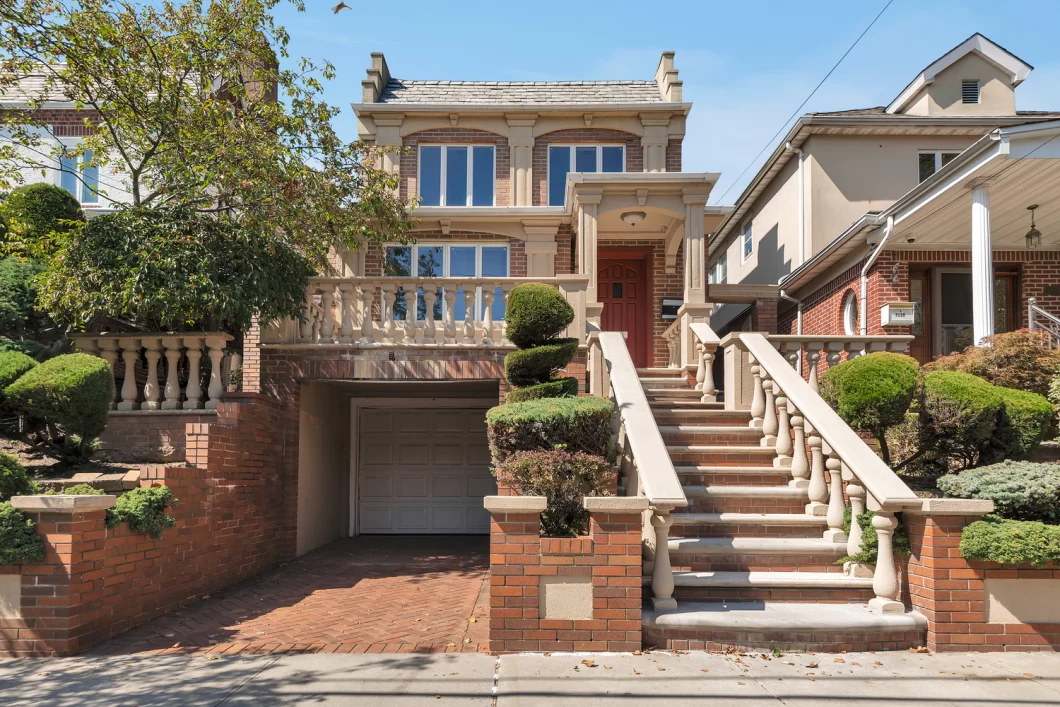
What is my house worth?
Not what the house on the corner is asking, and not the neighborhood median. A house here is priced against the closed sales most like it: the same building class, a similar lot width and building area, the same era, on the same block or the nearest ones, and then adjusted for what the comps did not have. Attached, semi detached or detached. Driveway or garage. An extension, a finished basement, a legal second kitchen. Condition, and the age of the roof, the boiler and the windows. Two houses a few streets apart are not comparables if one sits on a 40 foot lot and the other on 20.
Through September 2026, 141 houses and two to four families closed in Bay Ridge, at a median of $1,449,250 for a single family and $1,550,000 for a two to four family. Neither number prices your house. The four or five closings most like it do, and I show you every one of them before we settle on an asking price. Over their careers our agents have closed 180 sales, 47 of them houses, two to four families or mixed use buildings, including at a prior brokerage, and the file work on this page is what those sales taught us to do first. The method is written out in how a Bay Ridge home is priced, and what the neighborhood's houses have been selling for is on Bay Ridge Houses.
What do buyers' lawyers check before they sign?
In New York the buyer inspects and the lawyers review before anyone signs a contract, so the file is either ready or the deal waits on it. Before we list I want the deed, the survey, and the certificate of occupancy, or for a house built before 1938 the record that there is none. The certificate has to match the way the house is used: a legal two family with a third apartment in the basement is priced and financed as a two family, and the lender's appraiser will say so. I pull the Department of Buildings record for open permits and violations, because a buyer's lawyer will, and an open permit found two weeks before closing costs more to close than one found before the listing goes live. What a violation costs to clear is on the cost page.
What changes when the house has tenants?
The buyer pool changes, and part of the price with it. On a two to four family the leases transfer with the building on the day it closes, and so do the security deposits. An owner occupant needs an apartment they can move into, so a unit delivered vacant widens the buyer pool and usually lifts the price. An investor prices the building on the income, so a signed lease at a fair rent is worth more to that buyer than an empty apartment. Tell me which apartments have written leases, which are month to month, and what each pays, and I will tell you which unit I want vacant at closing and whether it is worth waiting for.
The rent roll, every lease and amendment, the bank letter showing where the deposits are held, and two years of fuel, water, insurance and tax bills go in the listing package. Buyers here ask for them on the first call. Most Bay Ridge two to four families are not rent stabilized, and a DHCR rent history search settles it for the ones a buyer asks about. Showings in occupied apartments run on the notice the lease and the law require, and I handle that with the tenants directly so you are not in the middle of it. If you want to see how a buyer and a lender look at the same building, how a two to four family is bought is the other side of this page.
Which offer do I take?
The one that closes at the best number, which is not always the highest. A financed offer above the comps carries appraisal risk: if the bank's appraiser comes in low, the buyer either brings more cash or asks you to meet them, and you find that out six weeks in. A cash offer closes faster and skips the appraisal, and it usually asks for a discount for doing so. On a two to four family, an offer that needs a unit delivered vacant is a different offer from one that does not, and I price the difference before you compare them.
Every offer I bring you comes with the buyer's pre approval or proof of funds, the lender's name, the closing date they need, and whether they have sold or need to. We do not take a house off the market for a buyer who has not shown me those.
What happens between the accepted offer and the closing?
The buyer's inspector goes through the house first, usually within the week. Then the lawyers draft and negotiate the contract, the buyer signs and sends the deposit, and you countersign. From there the buyer's lender and title company do most of the work, and my job is to keep every open item on your side closed before it can hold up theirs.
1
Inspection and contract
Inspection in the first week. Contract negotiated and signed, with the deposit, ten percent of the price in most Bay Ridge contracts, in your attorney's escrow account. Accepted offer to signed contract, one to two weeks.
2
Financing and title
Appraisal, then the commitment letter, usually 30 to 45 days after the contract. The title company searches the deed, the survey and the Buildings record; anything open on your side is cleared, or money is held at closing to clear it.
3
Closing
Scheduled once the commitment is in and title is clear, with the walk through the day before. With financing, accepted offer to closing runs about 60 to 75 days here. A cash buyer can close in 30 to 45.
What happens at the closing?
A house closing transfers the deed, and it usually happens at the buyer's lender's or attorney's office. Your attorney brings the deed, the transfer tax returns and your mortgage payoff letter; the buyer's title company insures the title and records the deed. Property taxes, water and sewer, and any fuel in the tank are prorated to the day of closing. On a two to four family, the security deposits and the current month's rent are turned over and prorated on the same statement. You hand over every key, every remote and the boiler and appliance manuals you have. What comes out of the proceeds, line by line, is on the cost page.
What if I am selling for an estate?
It is common here, and it runs on the same track with one thing first: the court has to appoint the executor or administrator before a contract can be signed, and the buyer's title company will want the letters in the file. An estate is generally exempt from the disclosure statement, but not from the certificate of occupancy, the permits or the title search, so the file gets built the same way. If the house is empty, keep it insured and heated through the sale, because an insurer treats a vacant house differently and a cold one in January adds a burst pipe to the file. Whether to clean it out and paint or to sell it as it stands is a price question, and I answer it with the closings for both kinds of house on your block, not with a rule.
Find these before we list
- The deed and the title insurance policy from when you bought.
- The survey.
- The certificate of occupancy, or the Department of Buildings record showing the house predates one.
- Permits and sign offs for any work done, including the extension, the deck and the basement.
- The oil tank's removal or abandonment paperwork, if the house ever had one.
- The age of the roof, the boiler, the hot water heater and the electrical service, with receipts where you have them.
- Your property tax bill, and any exemption on it, because exemptions end at the sale.
- Your mortgage payoff contact, if there is a loan on the house.
- For a two to four family: every lease and amendment, the rent roll, the bank letter for the security deposits, and two years of expenses.
- For an estate, the court papers appointing the executor or administrator.
The parts of a house sale that go wrong are almost always the ones that were knowable before the listing went live: a certificate that does not match the house, an open permit from a 2009 boiler, a basement apartment that has to come out before a lender will close, a tenant with no written lease. I find them first, and the listing goes live when the file is complete. If you own a co-op instead, how a co-op sale runs is on its own page. How I represent sellers is on its own page, with the Bay Ridge specifics on sell your home in Bay Ridge. Call or text the office at 718-333-5233 with the address. I will tell you what the closings most like your house have been and what the file needs before it can be listed.
Houses for sale in Bay Ridge right now
Every house and two to four family on the market in the neighborhood, from every brokerage. Ours appear first.
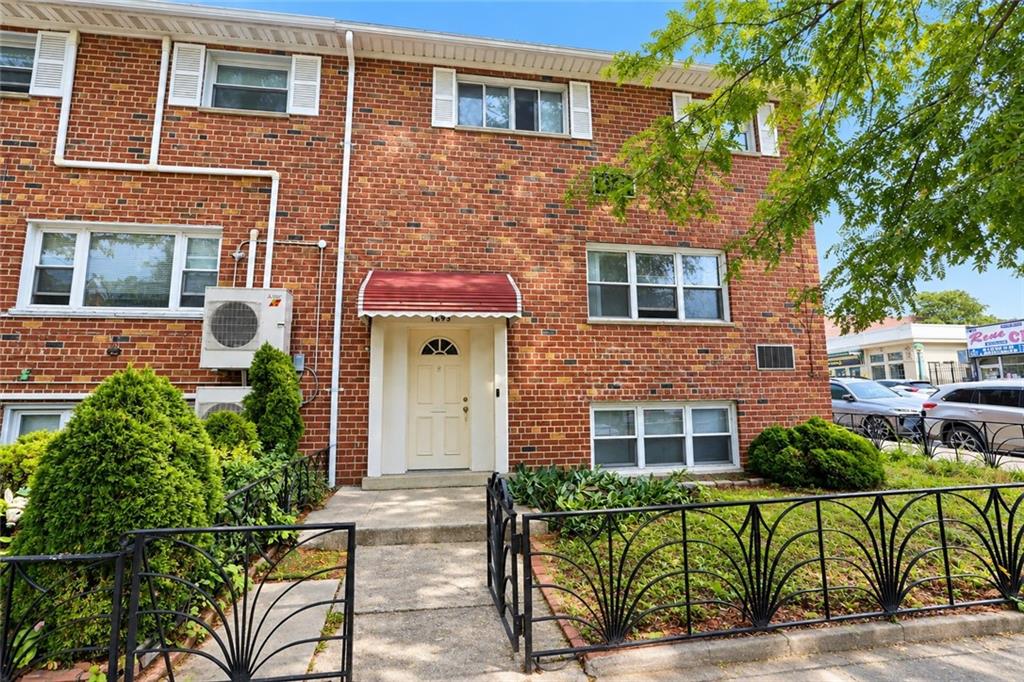 $1,499,998
Active
$1,499,998
Active
1693 64th Street Brooklyn, New York
5 Beds 3 Baths 1,950 SqFt
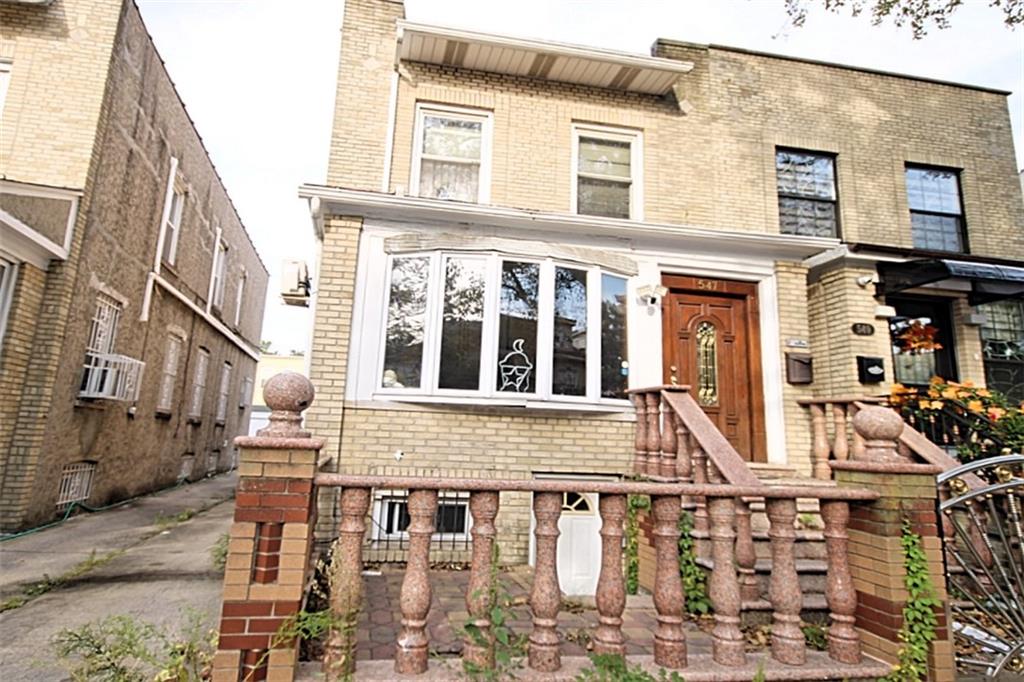 $1,300,000
Active
$1,300,000
Active
547 81st Street Brooklyn, New York
4 Beds 3 Baths 2,187 SqFt
 $1,450,000
Active
$1,450,000
Active
348 81st Street New York City, New York
3 Beds 2 Baths 2,040 SqFt
 $1,995,000
Active
$1,995,000
Active
159 87th Street New York City, New York
4 Beds 3 Baths 2,804 SqFt
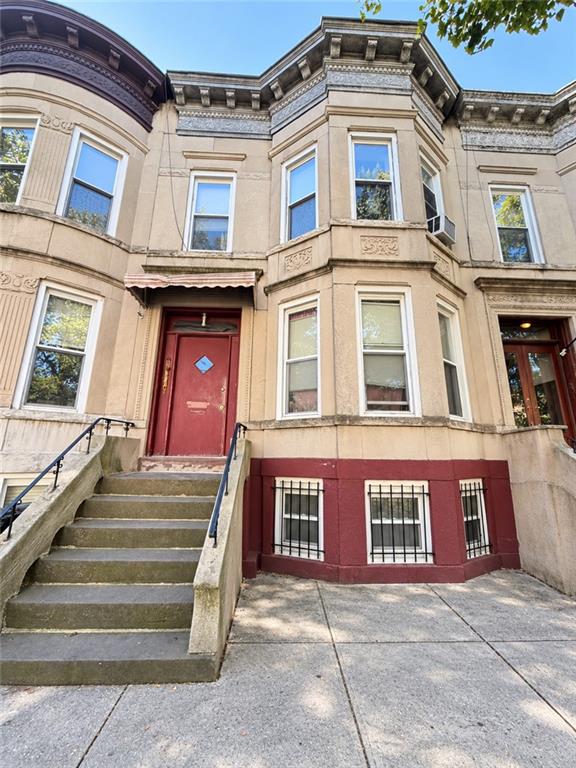 $1,580,000
Active
$1,580,000
Active
342 72nd Street Brooklyn, New York
7 Beds 4 Baths 3,120 SqFt
 $2,329,000
Active
$2,329,000
Active
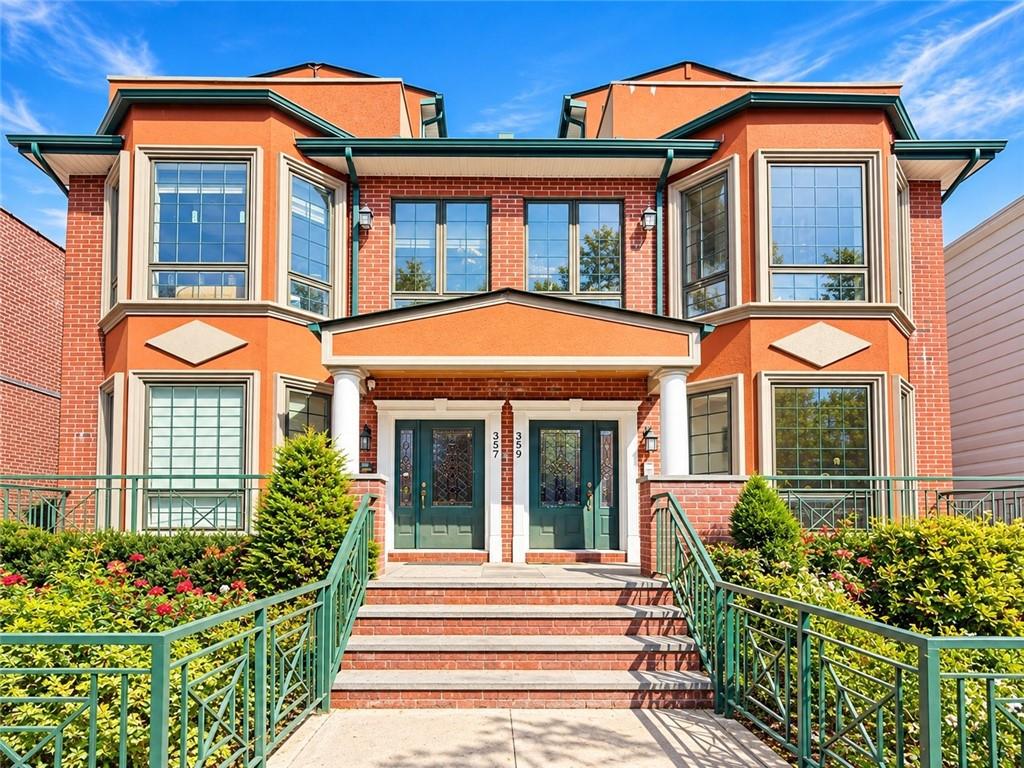
357 90th Street Brooklyn, New York
6 Baths 2,422 SqFt
 $1,750,000
Active
$1,750,000
Active
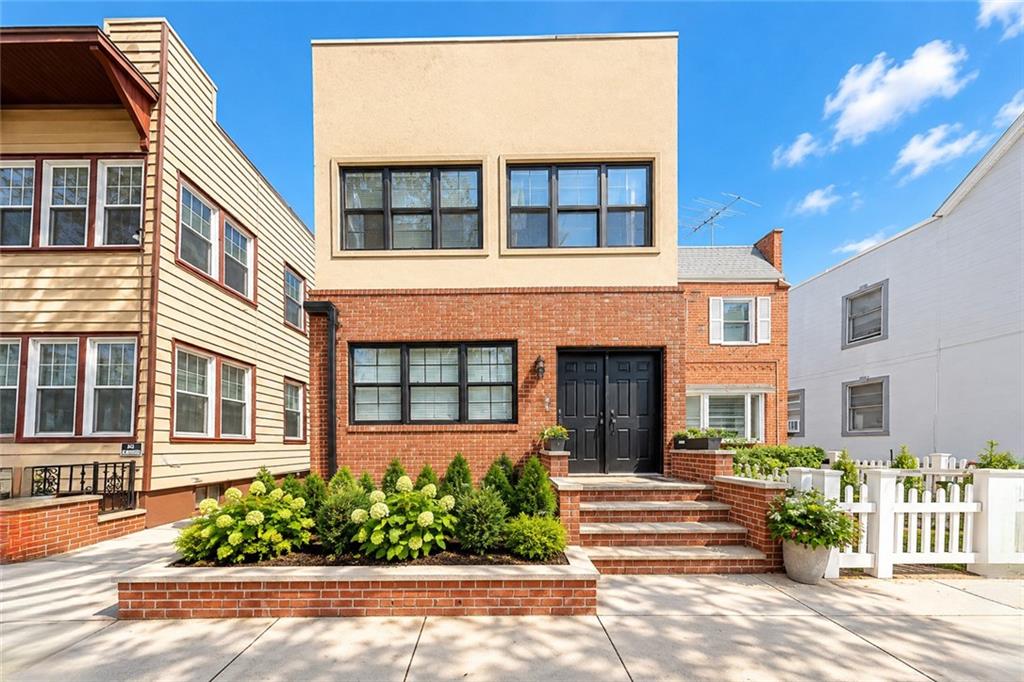
217 88th Street Brooklyn, New York
6 Beds 4 Baths 2,640 SqFt
 $2,988,000
Active
$2,988,000
Active
214 80th Street New York City, New York
6 Beds 3 Baths
View all Bay Ridge houses for sale → or the two to four family listings →, or start with Bay Ridge Houses, what the neighborhood's houses sell for, block by block.
Own a house in Bay Ridge?
Find out what it is worth before you decide anything.